


STEM & Robotics
Learning by Building
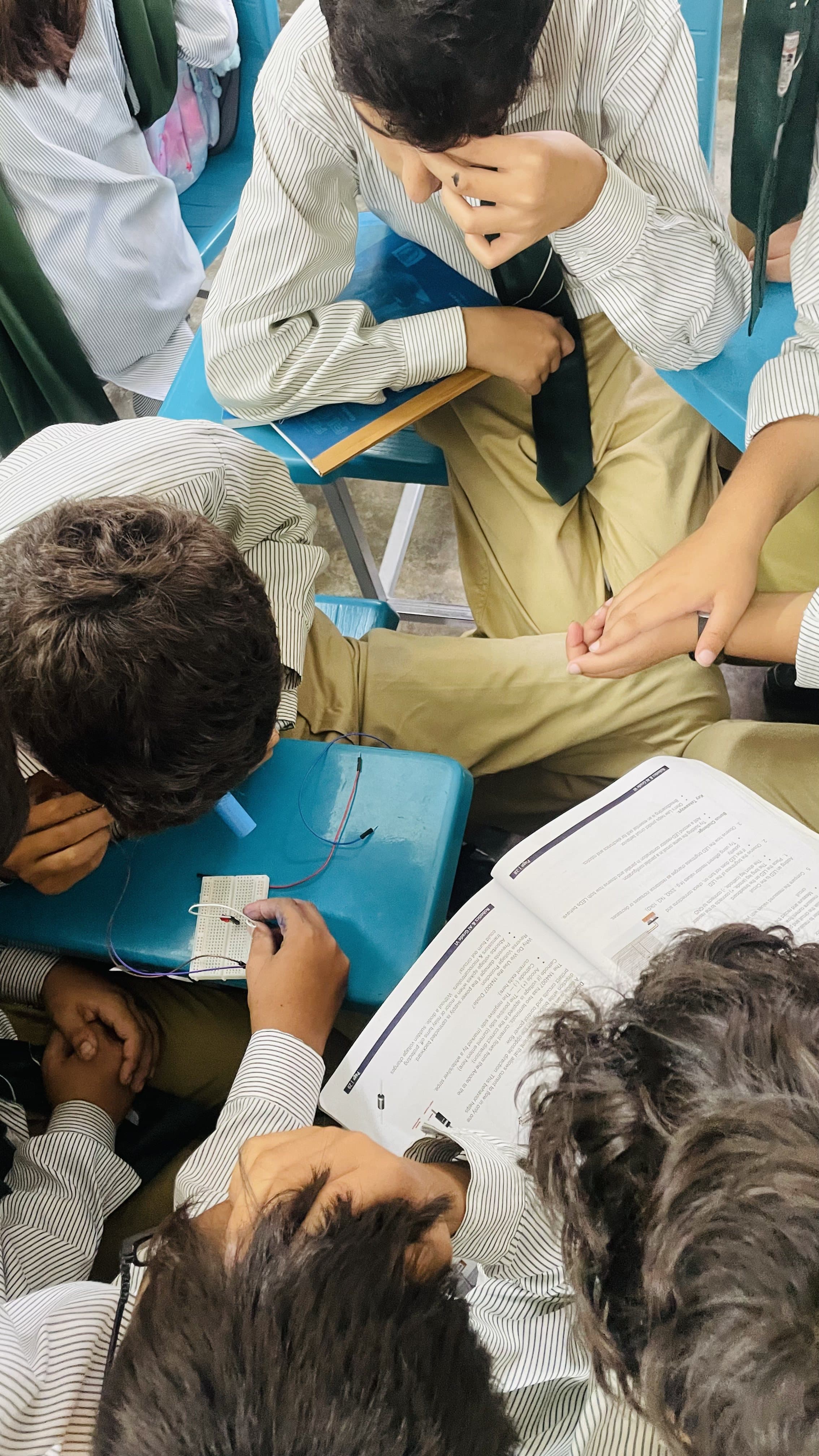
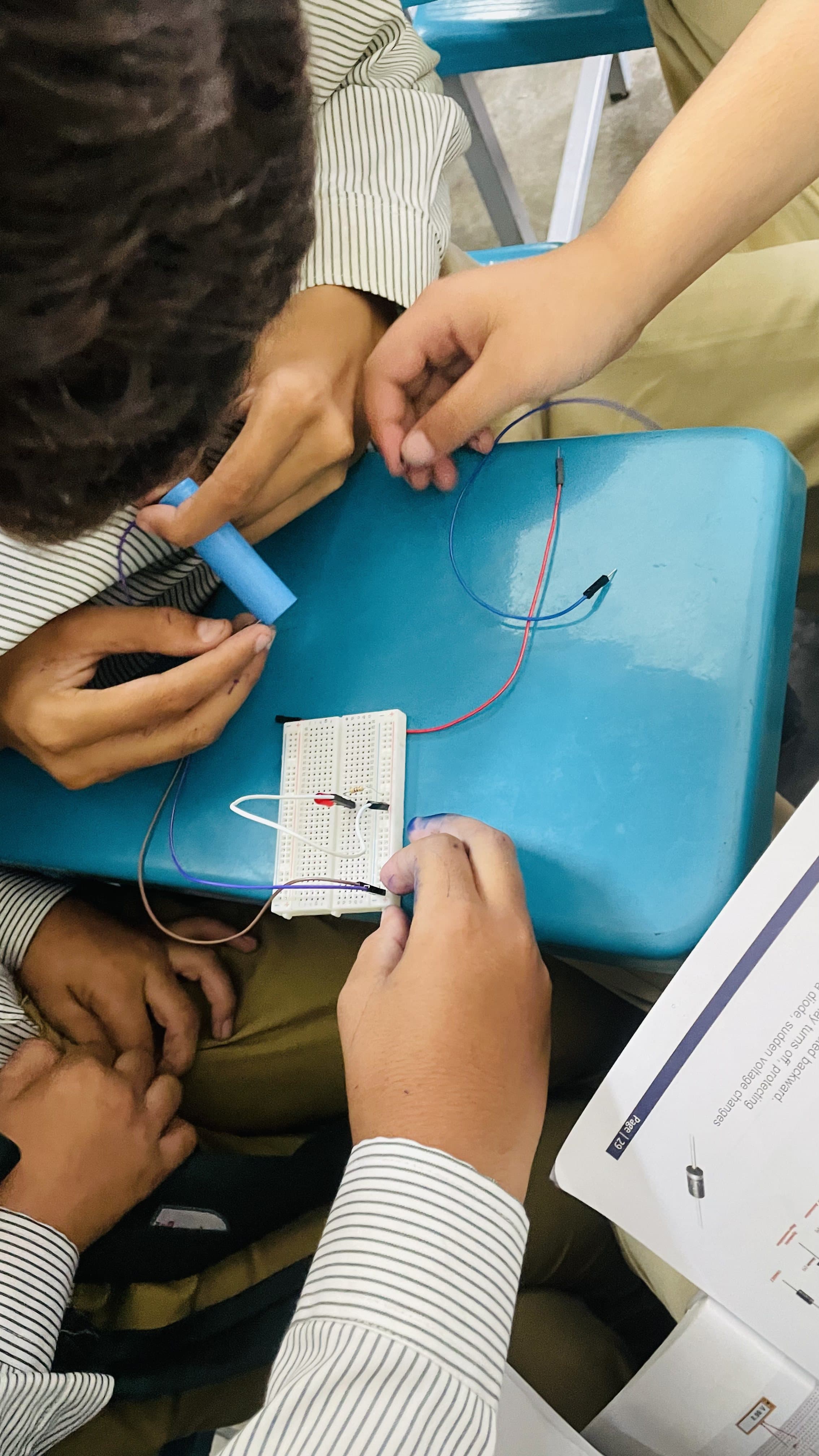
From first circuits to working rovers, our students solve real problems with their hands as well as their heads.
Book a lab visitBuild.Investigate.Code.

Why STEM matters here
Skills for the world our students will work in
Science, technology, engineering, and mathematics are no longer optional extras. They are the foundation of nearly every modern career. Our laboratories give students in Swabi a chance to learn these subjects the way they are meant to be learned: by making, testing, failing, and improving.
- Science
- Engineering
- Technology
- Mathematics
Making.Testing.Failing.Improving.
Inside the lab
Our Three Laboratories
Laboratory 01 — Build
Robotics Laboratory
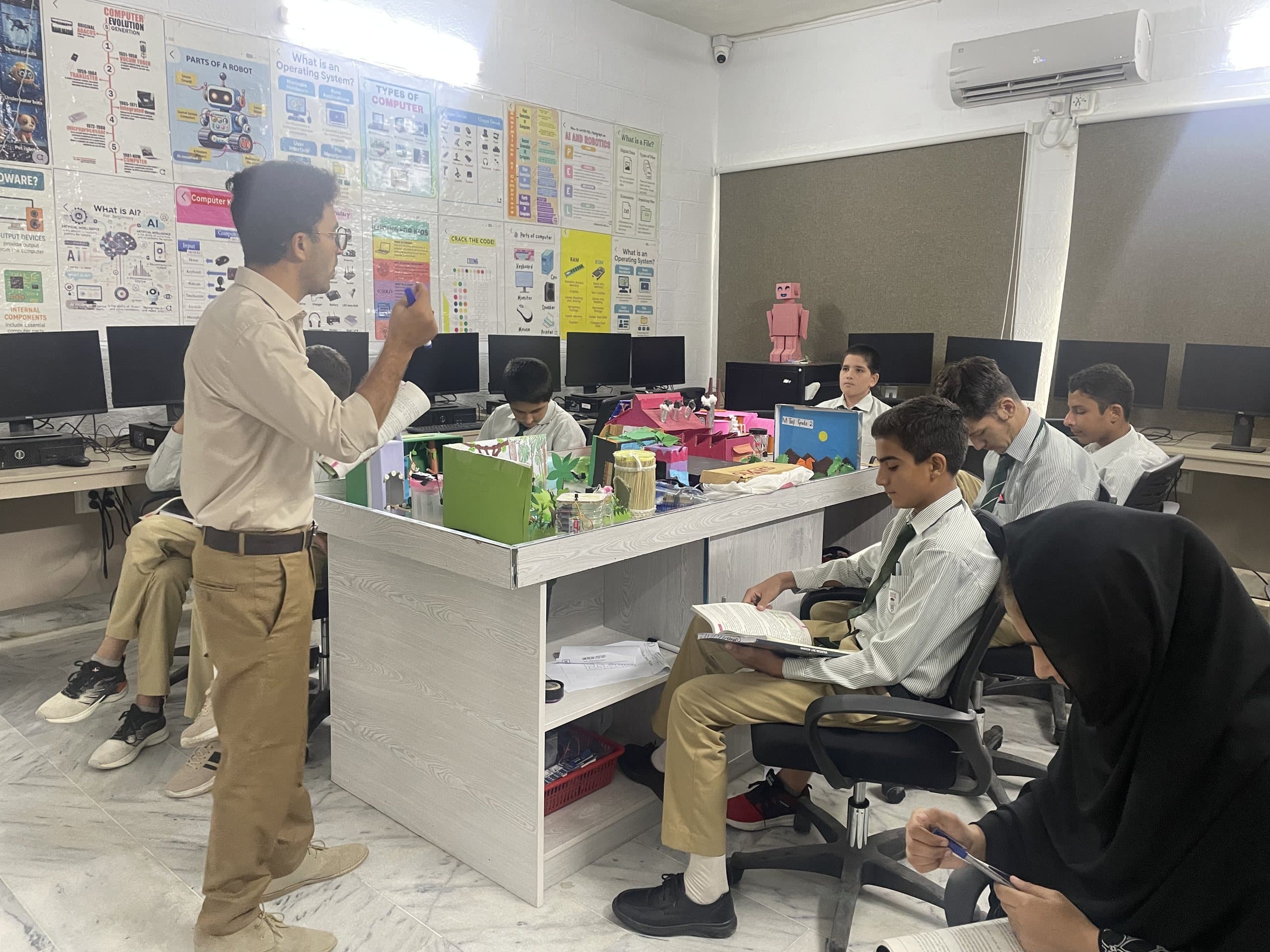
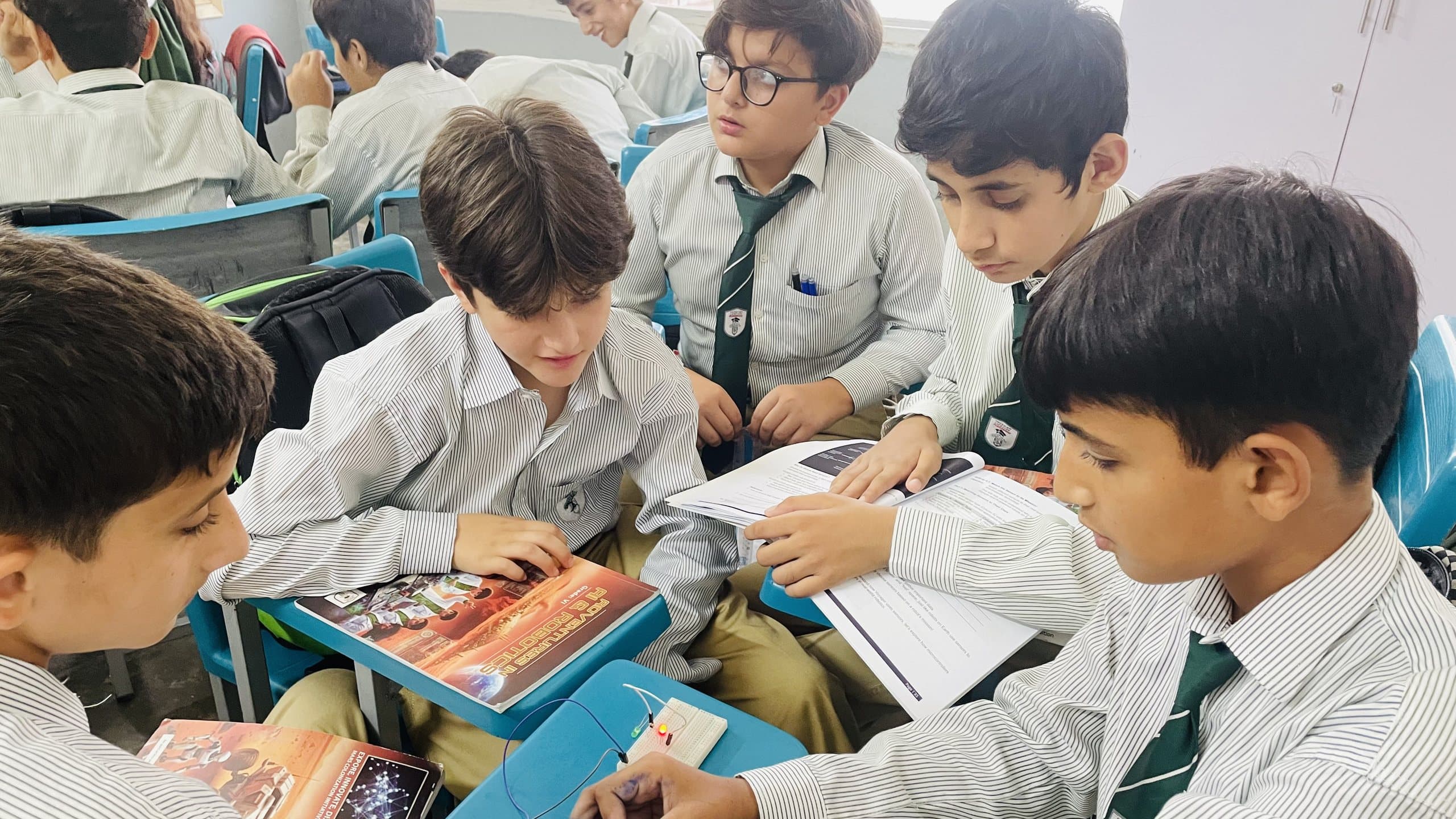
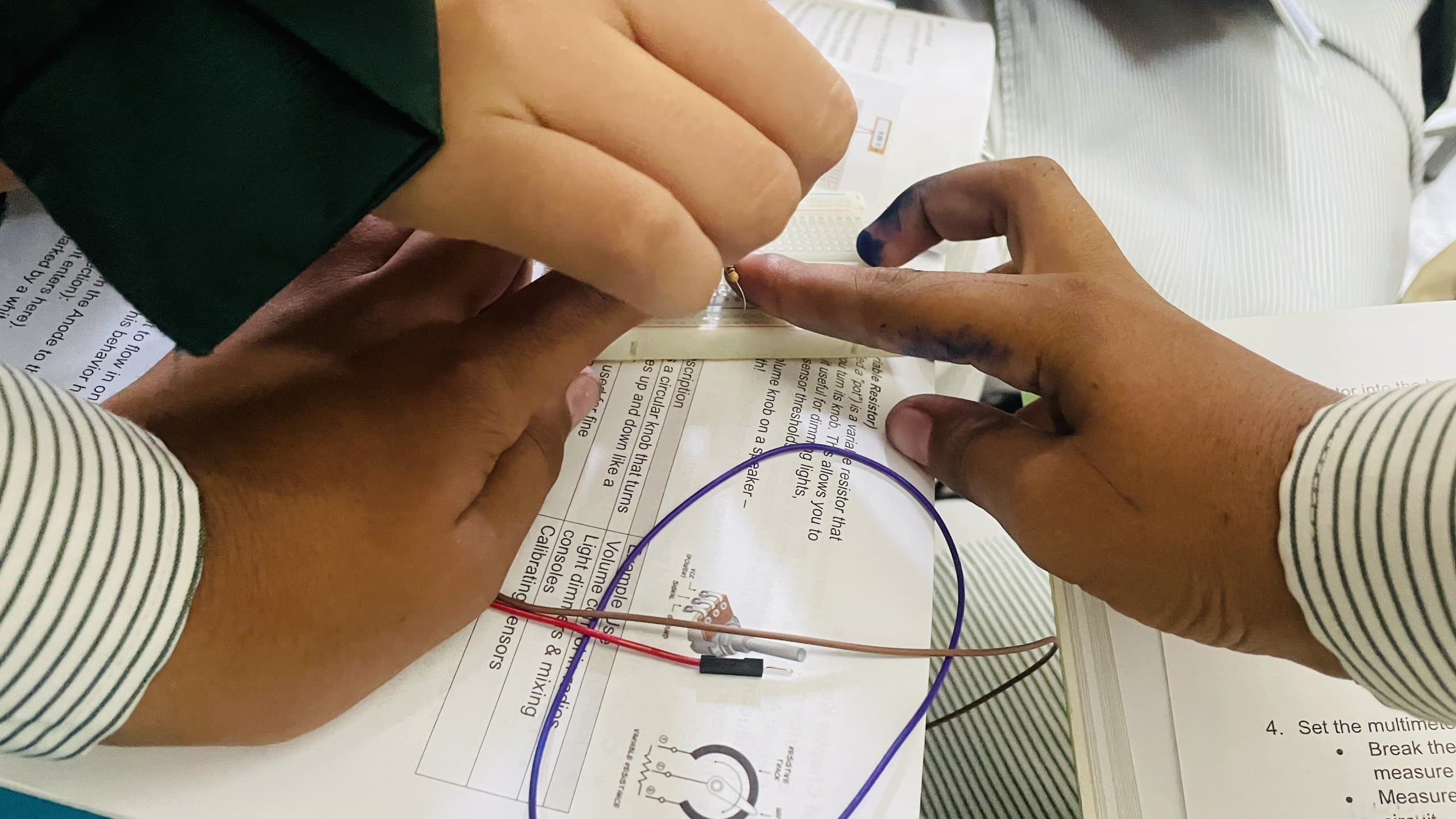
Students design, assemble, and program working machines. Projects include line-followers, toll booths, and rovers. They learn mechanics, sensors, basic electronics, and logical thinking, and, just as important, teamwork.
Projects
- Line-followers
- Toll booths
- Rovers
They learn
- Mechanics
- Sensors
- Basic electronics
- Logical thinking
- Teamwork
Laboratory 02 — Investigate
Science Laboratory
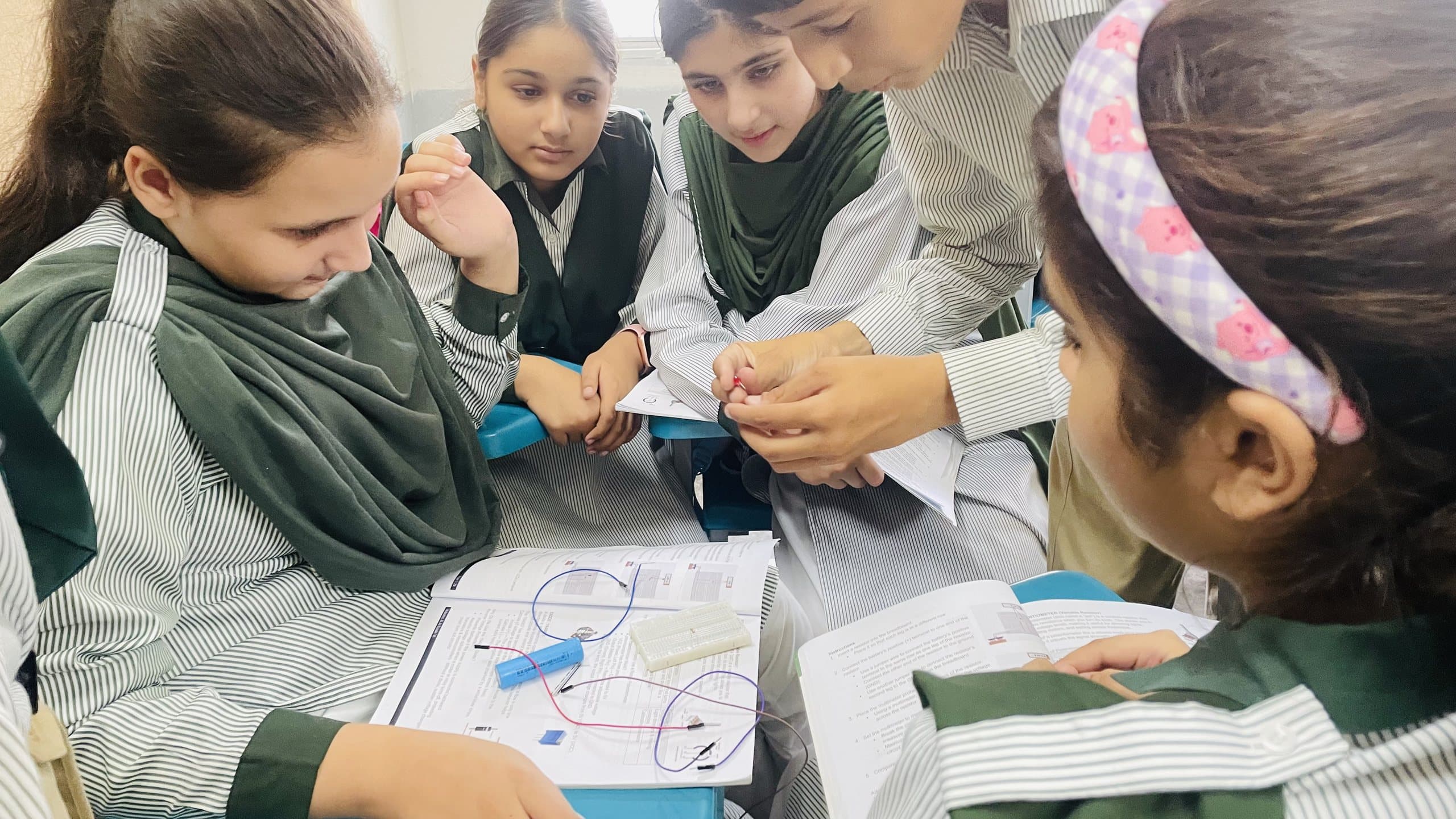
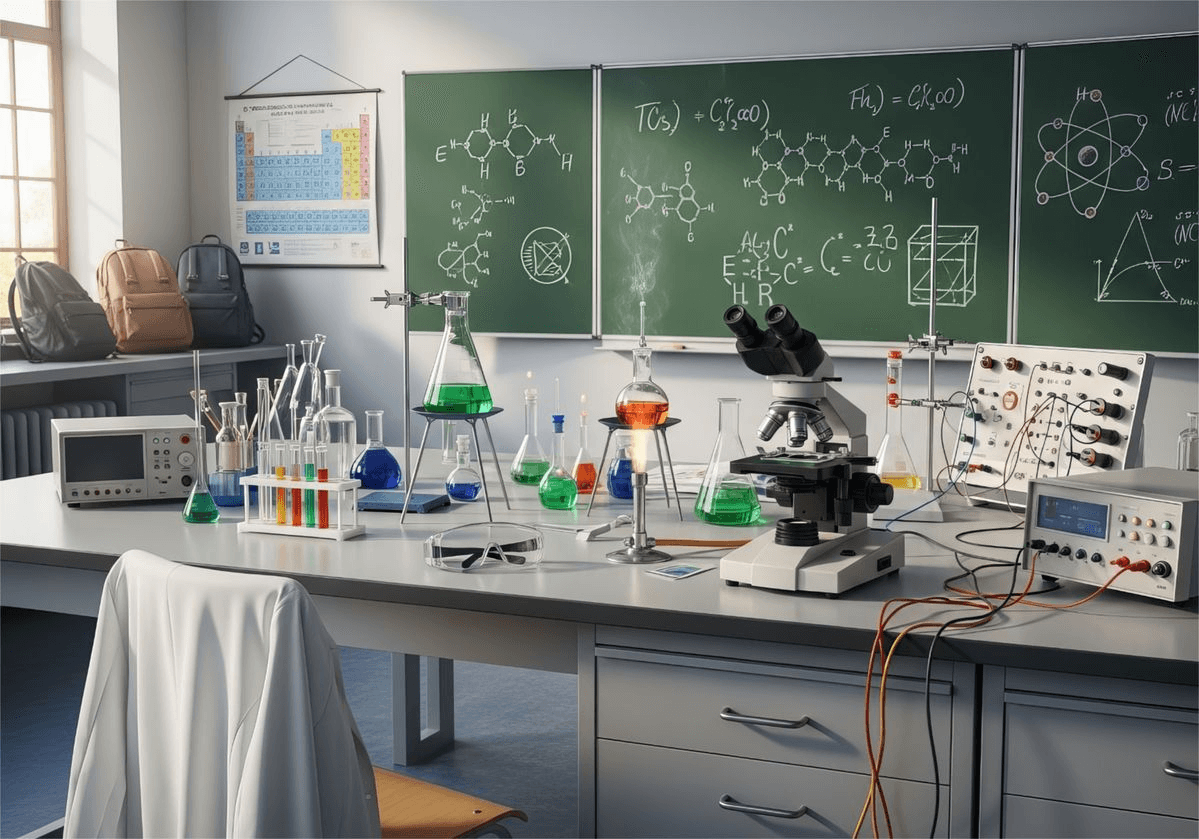
Real experiments in Physics, Chemistry, and Biology that turn textbook ideas into understanding. Students learn to observe carefully, record accurately, and draw their own conclusions, which is also what Cambridge and FBISE practical papers require.
Experiments in
- Physics
- Chemistry
- Biology
Students learn to
- Observe carefully
- Record accurately
- Draw their own conclusions
Laboratory 03 — Code
Computer & ICT Laboratory
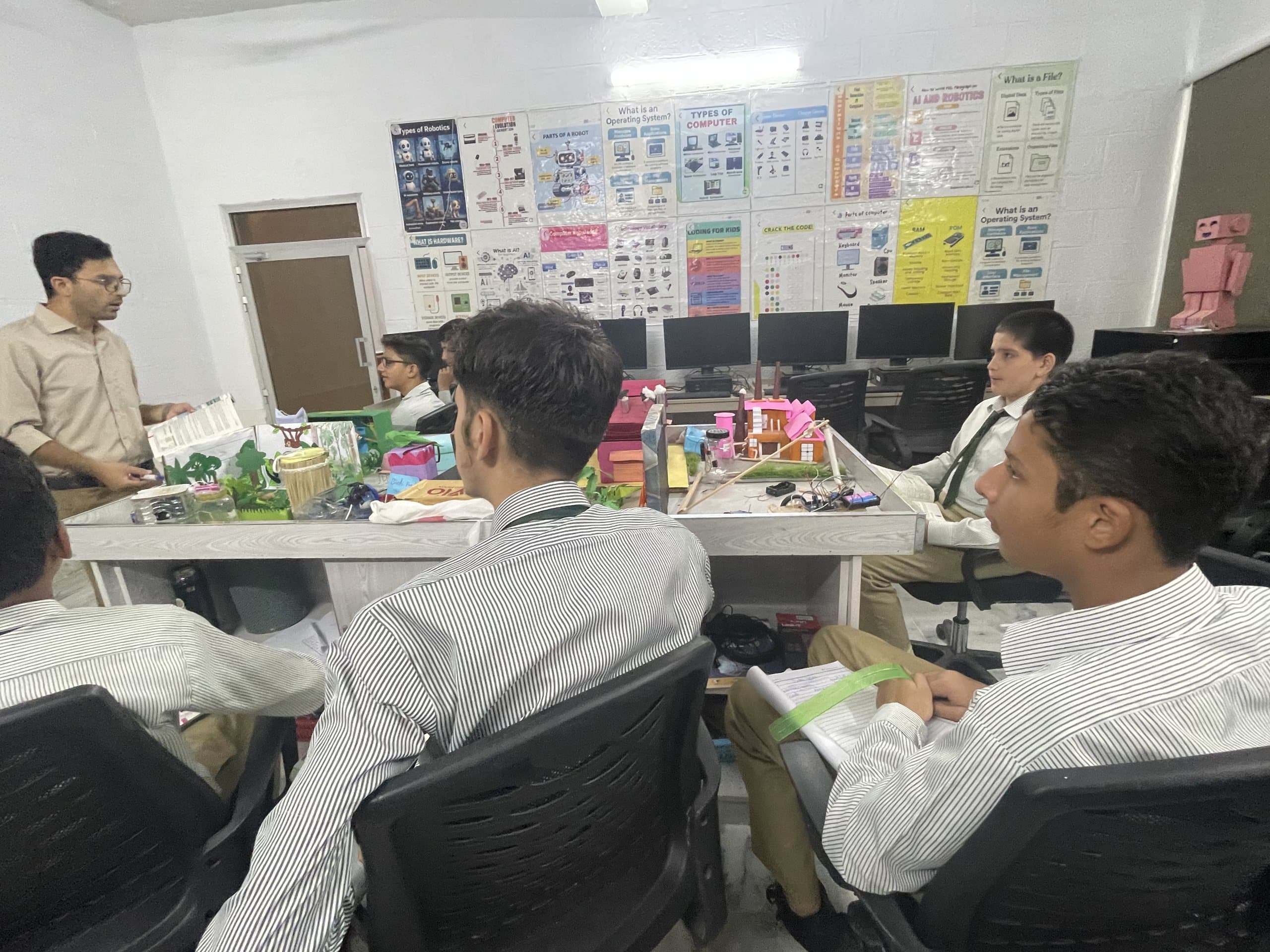
Coding, digital skills, and research for the modern classroom. From typing and presentations in the early grades to programming and problem-solving in the senior years.
Early grades
- Typing
- Presentations
Senior years
- Programming
- Problem-solving
How students progress
How Students Progress
Curious beginnings
Primary
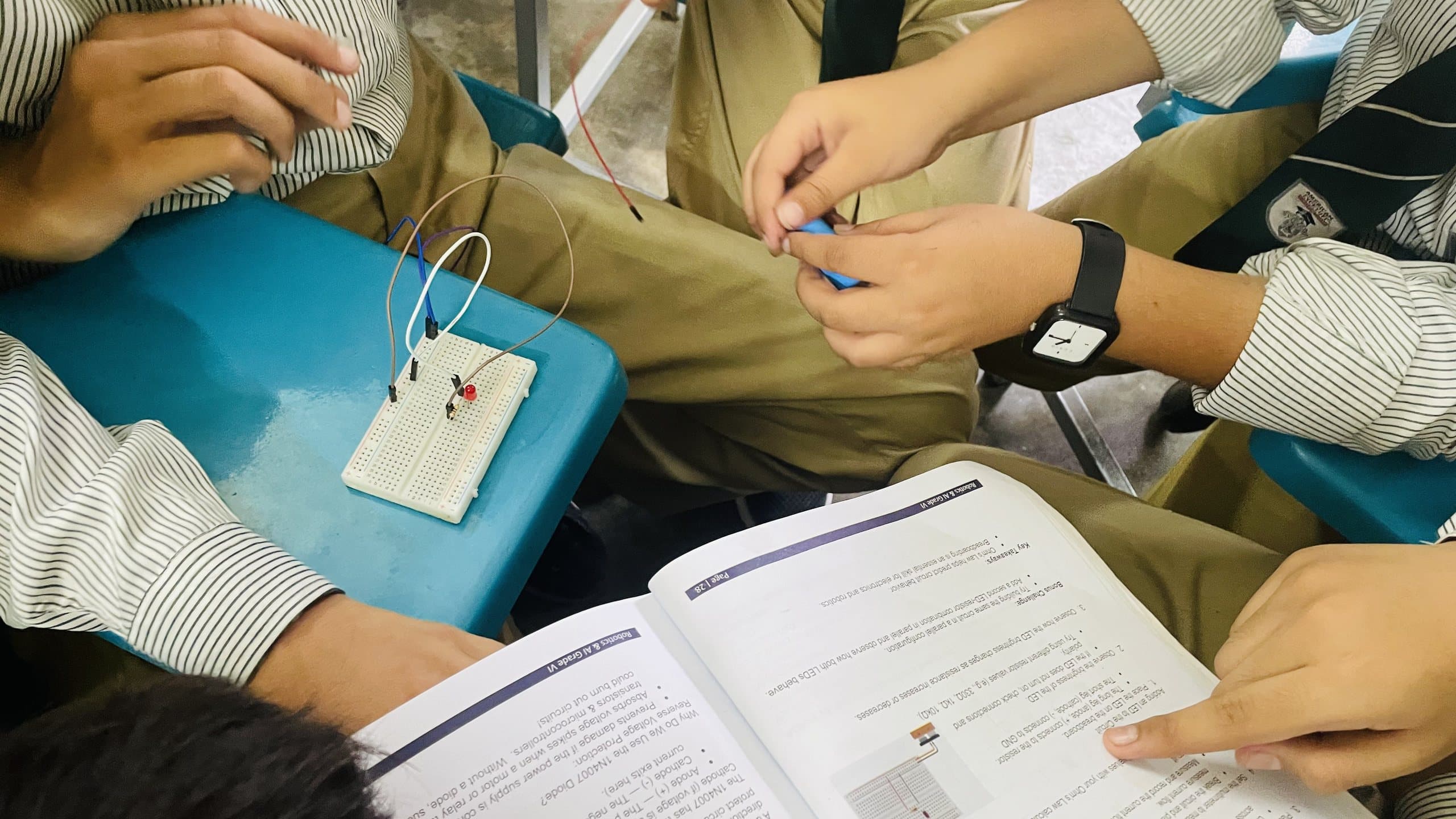
- Simple experiments
- Basic computer skills
- Building with blocks and kits
Stage 02
Middle
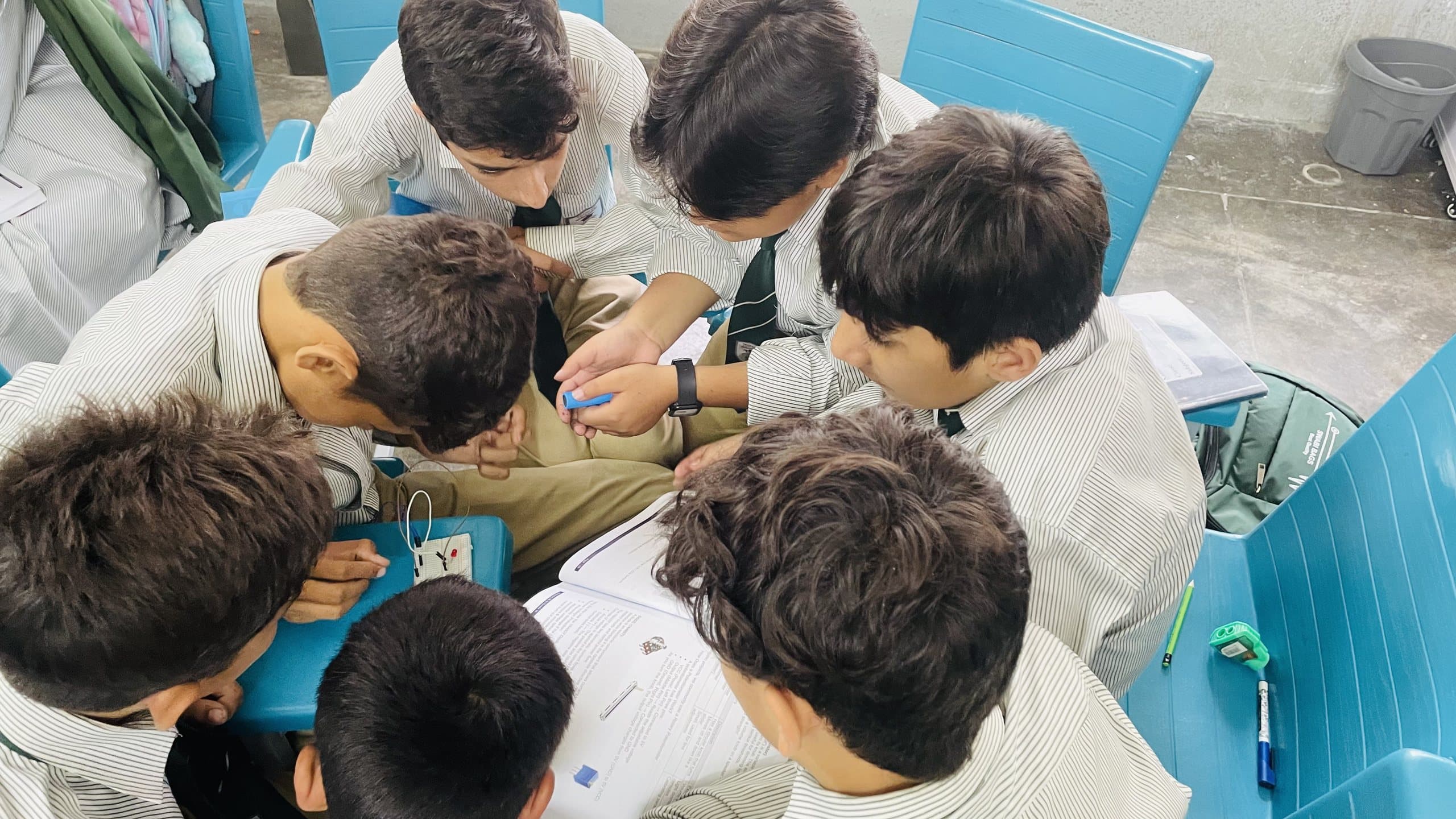
- Structured lab work
- Introductory coding
- First robotics projects
Stage 03
Senior
- Practical exam preparation
- Advanced projects
The confidence to pursue science, engineering, or computing after SSC or IGCSE.


Come and See the Labs
The best way to understand our STEM programme is to watch students at work.